
Why Are Homes Being Taken Off the Market? What It Means for Buyers and Sellers in 2026

If you've been browsing listings lately, you may have noticed something strange: homes disappearing from Zillow or Redfin without a "Sold" banner ever appearing. You're not imagining it. So why are homes being taken off the market in such large numbers right now?
The short answer: a record share of sellers are delisting voluntarily pulling their homes off the market without selling because they can't get the price they want. In April 2026, 5.8% of all U.S. home listings were delisted, according to Redfin, tying the highest rate since March 2020. Rather than cut their asking price, many sellers are choosing to walk away and wait for a better market.
That's the headline. But the full story and what it means for your next move as a buyer or seller is much more interesting. Let's break it down.
Why Are Homes Being Taken Off the Market Right Now?
At its core, today's delisting surge is a standoff over price.
For most of the past few years, sellers held all the cards. Bidding wars were common, homes sold in days, and asking prices were treated as a starting bid rather than a ceiling. That era is over in much of the country. Inventory has climbed, buyers have regained leverage, and homes are sitting on the market longer than sellers expected.
Many of today's sellers, however, are still anchored to the prices their neighbors got at the peak of the boom. When the offers that come in fall short of that mental benchmark, or even worse when no offers come in at all, they face a choice: drop the price, or pull the listing. A growing number are choosing to pull the listing.
Redfin's chief economist, Daryl Fairweather, has described the dynamic plainly: buyers expect prices to come down, sellers are still asking for premium prices, and when sellers don't get what they want, more of them simply delist. The result is a wave of withdrawn listings during what is normally the busiest selling season of the year.
The Numbers Behind the Delisting Surge
A few data points put the trend in context:
- 5.8% of all U.S. listings were delisted in April 2026, per Redfin, tied with December 2025 for the highest share since March 2020, when the pandemic briefly froze the housing market.
- Delistings rose 3.8% from March to April, an unusual jump in the heart of the spring selling season, when seller activity typically peaks.
- Atlanta led the nation, with roughly 1 in 10 listings (10.7%) pulled from the market in April. San Jose followed at 9.3%, with Los Angeles, Dallas, and Seattle in the 7.7%–7.8% range.
- Florida and Texas metros have been among the hardest hit, as rising inventory and affordability pressures hand buyers more negotiating power.
- Relistings are creeping up too. About 2.5% of April listings were homes returning to the market after a previous delisting, the highest share since mid-2020, suggesting some sellers are testing the waters again.
The broader economic backdrop explains a lot of this. Mortgage rates briefly dipped toward the 5% range earlier in the year, sparking hope that affordability was finally improving but they've since fluctuated, and the optimism faded. Layer on weaker consumer confidence, elevated everyday costs, and buyers who see little urgency to overpay, and you get a market where demand is soft precisely when listings are abundant. Sellers entered the spring season expecting the usual surge of eager buyers. Many of those buyers never showed up or showed up with offers well below asking.
One more important piece of context: before 2020, delisting rates this high were essentially unheard of. This isn't a normal seasonal blip. It's a structural sign of a market where buyers and sellers fundamentally disagree about what homes are worth.
6 Reasons Sellers Are Pulling Their Homes Off the Market
Every delisting has its own story, but most fall into one of six buckets.
1. The offers aren't matching the asking price
This is the big one. Many homes are priced based on 2021–2022 peak values, while buyers are squeezed by mortgage rates and higher living costs. They are offering what the current market supports. When that gap doesn't close, sellers who don't have to move often decide not to.
2. Sellers are locked into low mortgage rates
A homeowner with a 3% mortgage who sells and buys again at today's rates could see their monthly payment jump dramatically, even on a cheaper house. If the sale price doesn't justify giving up that cheap loan, delisting and staying put starts to look like the smarter financial play.
3. They'd rather wait than negotiate
Behavioral economics is doing a lot of work in this market. Accepting a lower price feels like a loss, even when it's a fair market outcome, and people go to great lengths to avoid locking in losses. Waiting preserves the hope that the market will come back to meet the seller's number.
4. The listing went "stale"
In real estate, days on market is a scarlet letter. Once a home sits for 60 or 90 days, buyers start assuming something is wrong with it, and offers get even weaker. Some sellers delist strategically to reset the clock, planning to relist later sometimes with fresh photos, a new agent, or a new price. This is so the home appears as a fresh listing.
5. They're pivoting to renting
In some markets, owners who can't get their target sale price are converting their homes into rentals instead. This keeps the asset, generates income, and postpones the sale decision until conditions improve.
6. Life circumstances changed
Not every delisting is strategic. Job changes fall through, family plans shift, a hoped-for purchase on the other end collapses. Some portion of withdrawn listings simply reflects sellers whose reason for moving evaporated.
What Delistings Mean If You're Buying a Home
If you're a buyer, the delisting wave is a mixed signal but mostly a favorable one.
It confirms you have leverage. Sellers don't pull listings in a hot market; they pull them when offers are weak or absent. High delisting rates are a hallmark of a buyer's market, especially in metros like Atlanta, Dallas, and much of Florida and Texas.
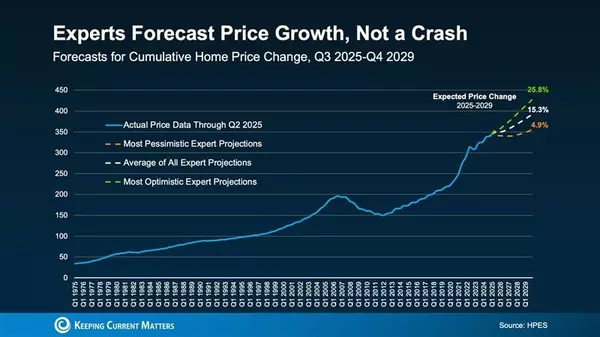
But it can tighten supply. Here's the catch: when tens of thousands of sellers withdraw rather than negotiate, the pool of homes you can actually buy shrinks. Redfin economists have noted that mass delistings effectively reduce available supply, which can put a floor under prices even in a slow market. In other words, don't count on a price crash just because sellers are frustrated, many would rather not sell at all than sell cheap.
Watch for boomerang listings. A meaningful share of delisted homes return within months. If a home you liked vanished from the market, set an alert. When it reappears, the seller has often recalibrated on price and you may be negotiating with someone far more motivated the second time around.
Practical move: ask your agent to pull the listing history on any home you're serious about. A previous delisting and relisting tells you the seller has already experienced the market's verdict once, which is useful information at the negotiating table.
What Delistings Mean If You're Selling
If you're on the other side of the transaction, the lesson is blunt: the market is repricing, and pretending otherwise costs you.
Price realistically from day one. The homes that sell in this market are the ones priced to current comps, not to a neighbor's 2022 windfall. Overpricing and "seeing what happens" is precisely the failed experiment driving the delisting statistics.
Understand what delisting does and doesn't fix. Pulling your home off the market can reset your days-on-market count, but buyers' agents can usually see the full listing history. A delist-and-relist without a meaningful price adjustment rarely changes the outcome.
Run the rent-vs-sell math. If you genuinely can't accept current prices, renting the home out may beat letting it languish but be honest about landlord costs, vacancies, and your local rental market before going that route.
If you must sell, sell. Sellers with a real deadline relocation, divorce, estate sales should price aggressively rather than chase the market down with a series of small cuts. The first weeks of a listing attract the most attention; make them count.
Will These Homes Come Back on the Market?
Almost certainly, many will. Roughly one in five homes delisted in recent periods has been relisted within about three months, and analysts expect a substantial share of withdrawn listings to return as sellers' patience, finances, or circumstances shift. The open question is whether buyer demand recovers enough to absorb them.
If mortgage rates ease and consumer confidence rebounds, returning inventory could meet renewed demand and the standoff resolves gently. If demand stays soft while shadow inventory floods back, buyers could find themselves with even more choices and more leverage heading into next year.
Either way, the delisting surge is one of the clearest signals the housing market sends: it tells you exactly where sellers' expectations and buyers' reality have parted ways. Watch it closely.
FAQ: Homes Being Taken Off the Market
Does a delisted home mean it sold?
No. A delisting means the home was withdrawn from the market without a sale. Sold homes are marked as sold or closed; delisted homes simply disappear from active listings.
Why would a seller take a house off the market instead of lowering the price?
Usually because the seller believes the home is worth more than current offers, doesn't urgently need to sell, or wants to avoid the stigma of a long-sitting listing. Some plan to relist later or rent the property instead.
Is a surge in delistings good or bad for buyers?
Both. It signals that buyers have negotiating power, but it also shrinks the supply of available homes, which can keep prices from falling as much as buyers hope.
Categories
Recent Posts




"Whether buying or selling a home, my #1 job is to advise my clients so they optimize their largest financial investment while avoiding any pitfalls that could cost them tens of thousands of dollars. "